
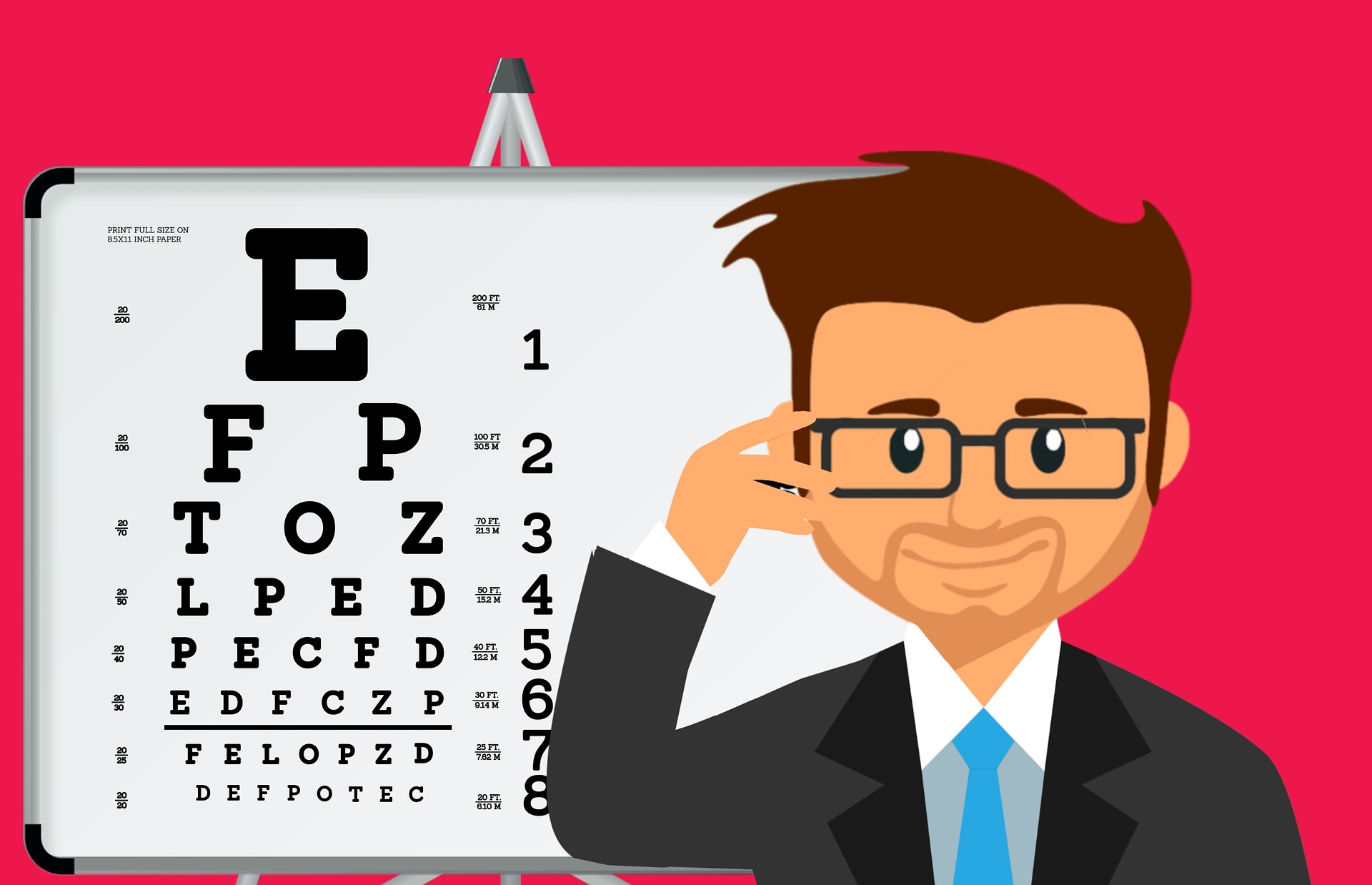
Forth Valley Sensory Centre partner RNIB has released a series of helpful guides to sight loss in people with learning difficulties, specifically, helping them recognise the signs of sight loss, useful apps and accessible leaflets.
Of course we could all benefit from recognising the signs of sight loss. Many people, especially those whose first symptoms might be hallucinatory, like with Charles Bonnet Syndrome, do not recognise the signs of sight loss. This is why regular optician appointments (NHS funded in Scotland) are so important.
With that in mind, here are the guides and resources produced by RNIB:
Healthy Eyes training pack: Helping adults with learning disabilities to recognise signs of sight loss
This training pack now available for free on the RNIB learning disability and sight loss webpage aims to give the trainer step-by-step guidance on how to help adults with learning disabilities to recognise signs of sight loss. Sight loss is often hidden or not recognised among people with learning disabilities. Therefore, it is vital that as many people as possible know how to recognise the signs of sight loss in people with learning disabilities. The pack will help participants to gain more confidence in attending an eye test and contains links to films on YouTube and pictures which can be printed to facilitate group exercises. Please see the webpage: https://www.rnib.org.uk/professionals-social-care-professionals-complex-needs-social-care/learning-disabilities for more information.
Apps for people with learning disability and sight loss
RNIB’s technology for life team, recently shared some useful places to look for accessible mobile applications (apps). Apps can be used to support people in all areas of daily living and can help to foster independence, confidence and empower users. Having apps accessible to people with a range of complex needs, such as learning disability and sight loss, can be vital to supporting daily activities. Here is a list below of places you might wish to visit to find accessible apps:
· Call Scotland have a list of apps which are useful for people with learning disability: Updated Wheel of Apps for Learners with Complex Needs (callscotland.org.uk)
· Inclusive Technology sell a wide range of apps for people with a learning disability and are aware of the need for apps to have good colour contrast and screen reader accessibility for people with low vision too: Apps | Inclusive Technology
· AppleVis is useful for looking for accessible apps for adults that are for a specific purpose, as you can search by category on the website for particular needs: www.applevis.com.
Accessible patient information leaflets
Patient information leaflets produced by pharmaceutical companies are available in accessible formats. These detailed information leaflets are usually found in medicine boxes or are given when you get the vaccine, to explain potential side effects. The legislation allowing the vaccines to be approved quickly inadvertently stopped pharmaceutical companies providing alternative formats of patient information leaflets in the normal way, however accessible formats now exist in Datapharm’s electronic medicines compendium and can be accessed through this link: https://www.rnib.org.uk/news/campaigning/six-ways-uk-vaccine-programme-accessible#accessiblePILs.
An information leaflet is available online for the Oxford AstraZeneca (https://www.medicines.org.uk/emc/product/12333) vaccine. If you are supporting anyone who requires the information in braille, large print or audio, please phone the RNIB accessibility line on 01372 371450. Please note that this number is only for use for these coronavirus vaccine medicines; to get any other medicine information in alternative formats, please call 0800 198 5000.
Vision Friends Project award nomination
Finally, we would like to let you know that the Vision Friends Project has been nominated for an excellence in Health and Wellbeing award at the Chartered Institute of Housing’s Wales Housing Awards. The online ceremony takes place on 30 September. As always, RNIB would welcome feedback on resources and you can email us at olderpeopleandcomplexneeds@rnib.org.uk.
In the next few months there will be newly developed resources on dementia and sight loss as further support for older people with complex needs.
0 comments on “RNIB Sight Loss and Learning Disability Support” Add yours →